 Academic Integrity
How teachers actually know you used ChatGPT
Not the detector score. The things that actually give it away are older and more human than that, and most of them have nothing to do with software.
 Research
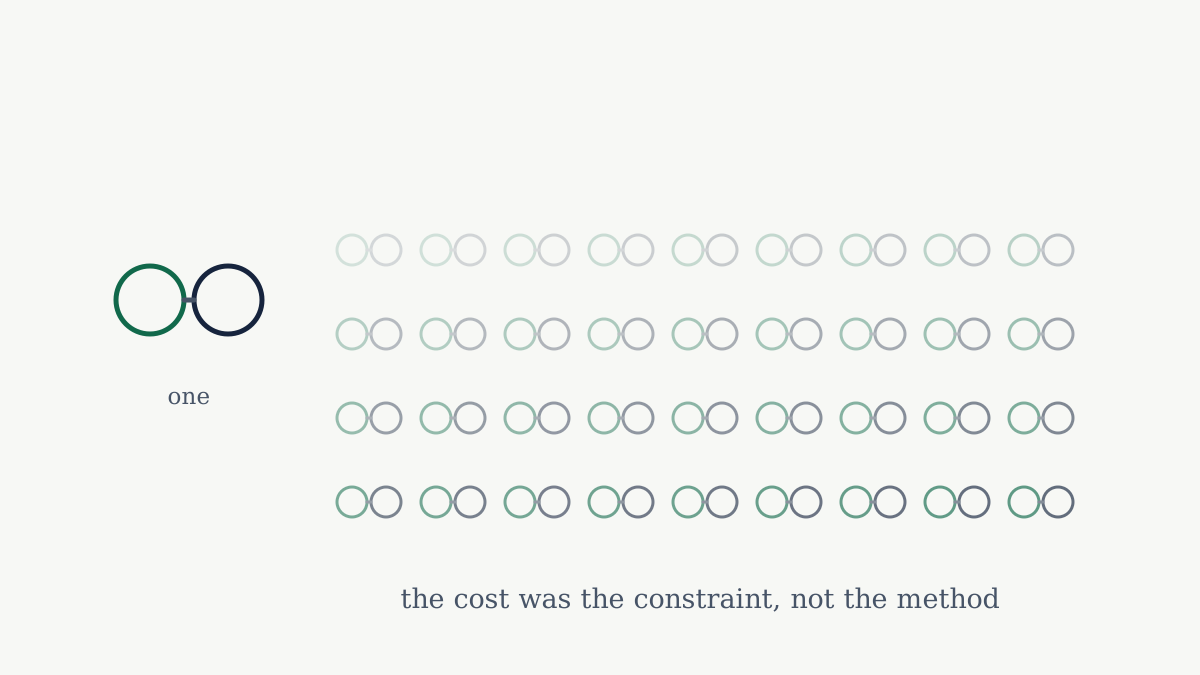
Can AI give every student a viva?
Oral assessment left mass education over cost, not validity. Conversational AI moves that cost. What we claim, what we do not, and how we intend to find out.
 Oral Assessment
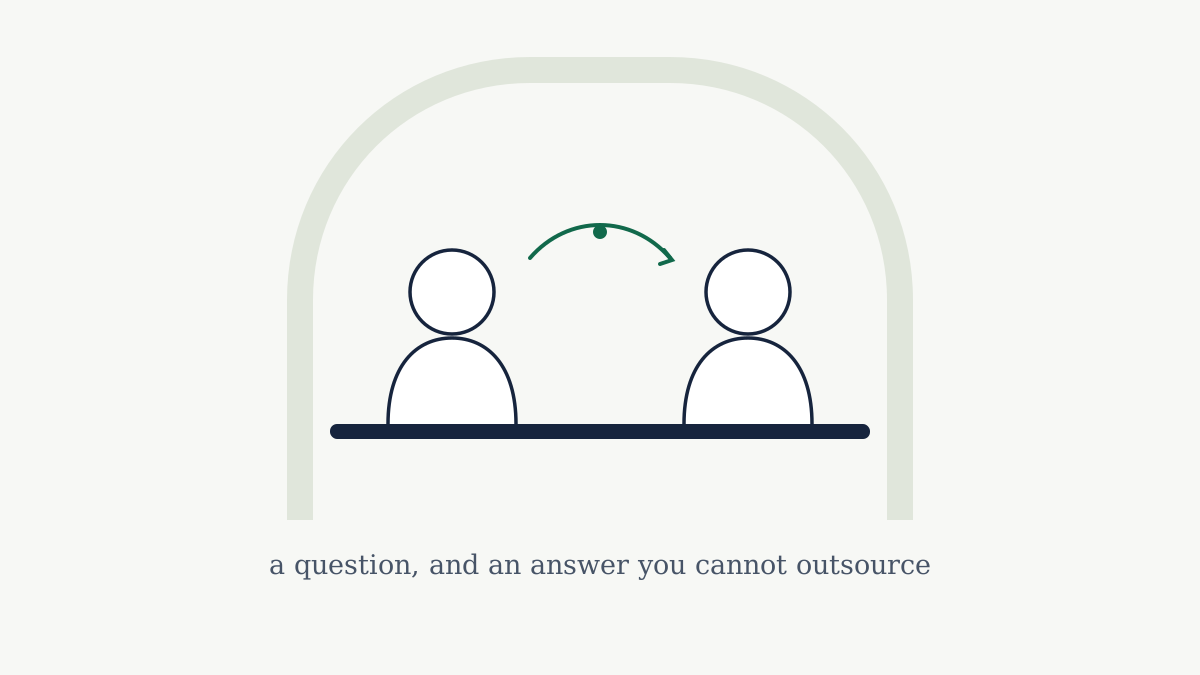
The oldest exam in the world is coming back
The viva never went away where the stakes are highest. It left the classroom for one reason, and that reason was never about how well it measures learning.
 Academic Integrity
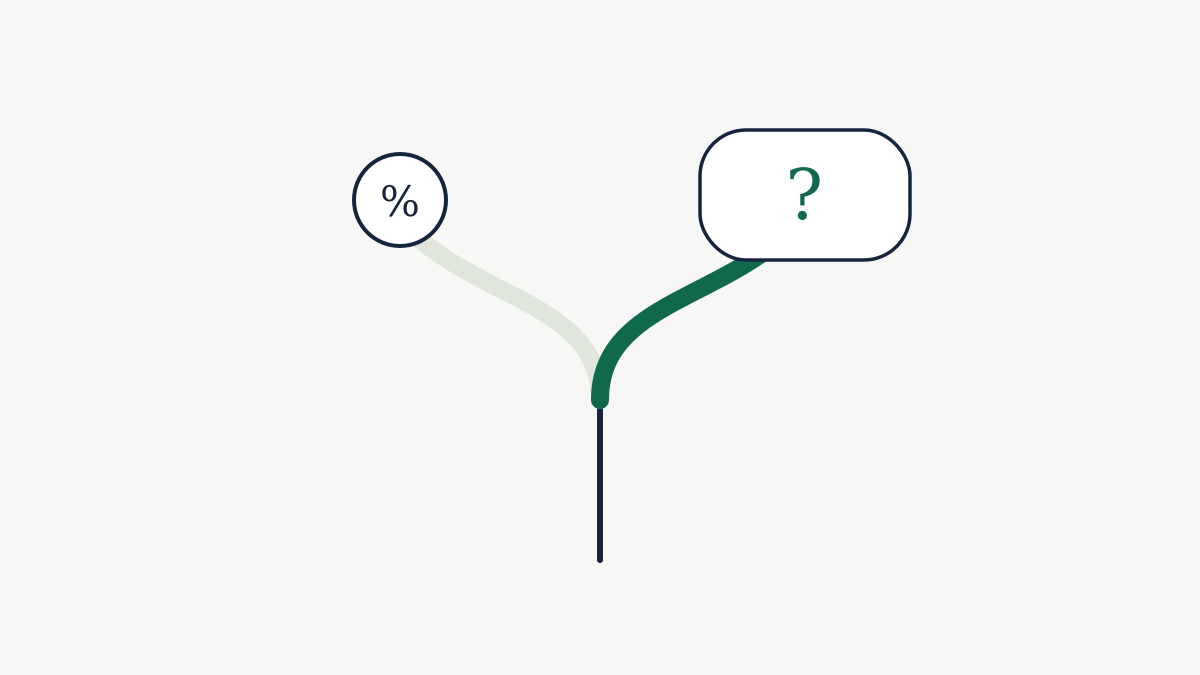
Looking for a Turnitin AI alternative? Check the question you are asking
Most schools shopping for a different detector are trying to solve an evidence problem with a probability tool. Here is how the options actually compare.
 Academic Integrity
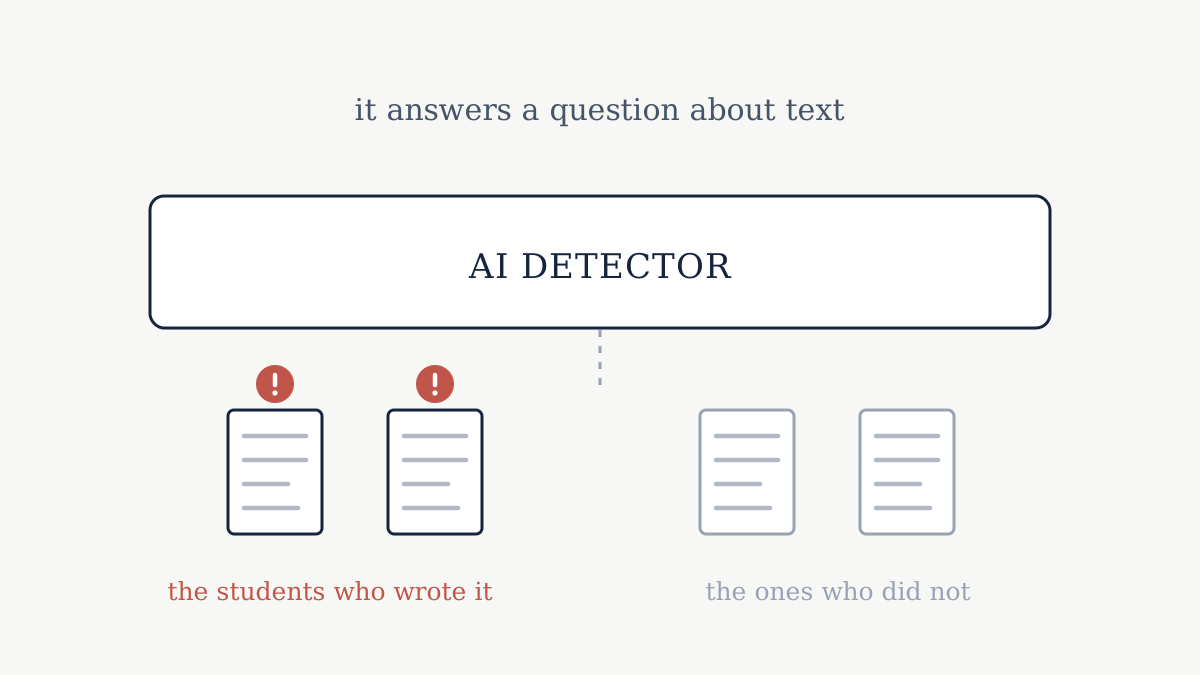
AI detection was never going to save the essay
Detectors are unreliable, they flag the wrong students, and even a perfect one would answer the wrong question. The instructor's question is about understanding.
 Assessment
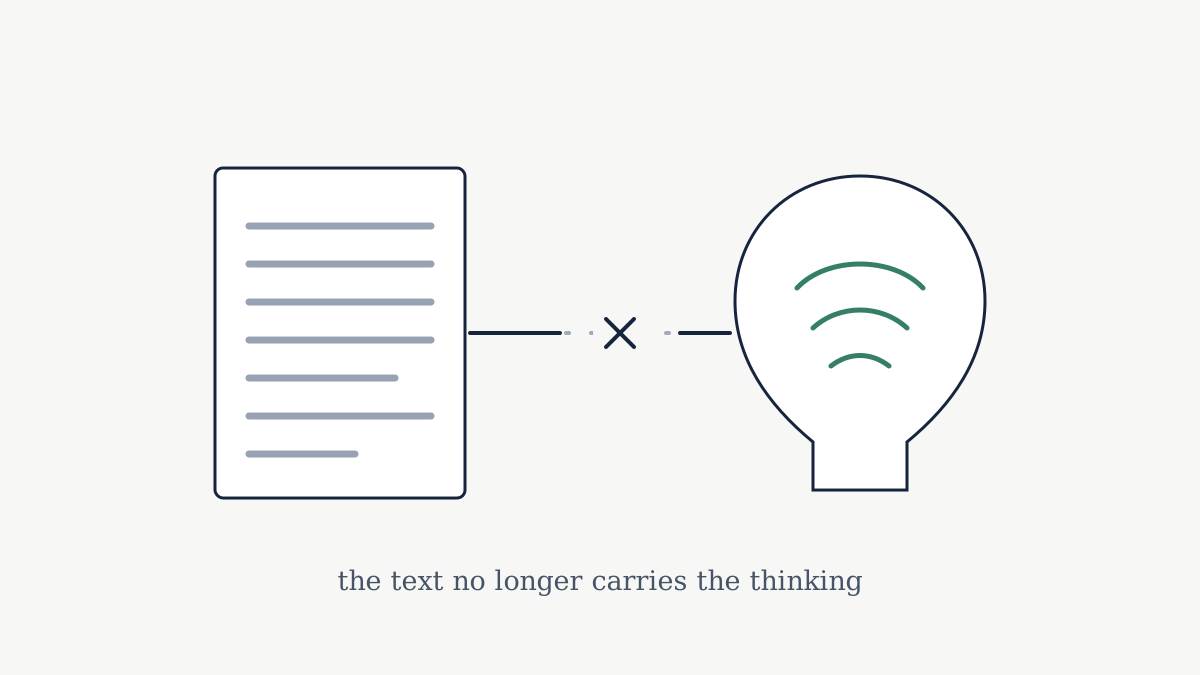
The essay stopped proving what we thought it proved
For two centuries a good essay was evidence of good thinking. Generative AI quietly broke that link, and most of education has not caught up with what it means.
 Academic Integrity
The students AI detectors get wrong are the ones you least want to be wrong about
False positives are not spread evenly. They land hardest on non-native English writers, on autistic students, and on anyone whose prose is plain. That is a fairness problem, not a tuning problem.
 Policy
What actually holds up in an academic misconduct hearing
Panels do not weigh evidence the way software vendors assume. What persuades, what collapses, and why the burden sits where it does.
 Policy
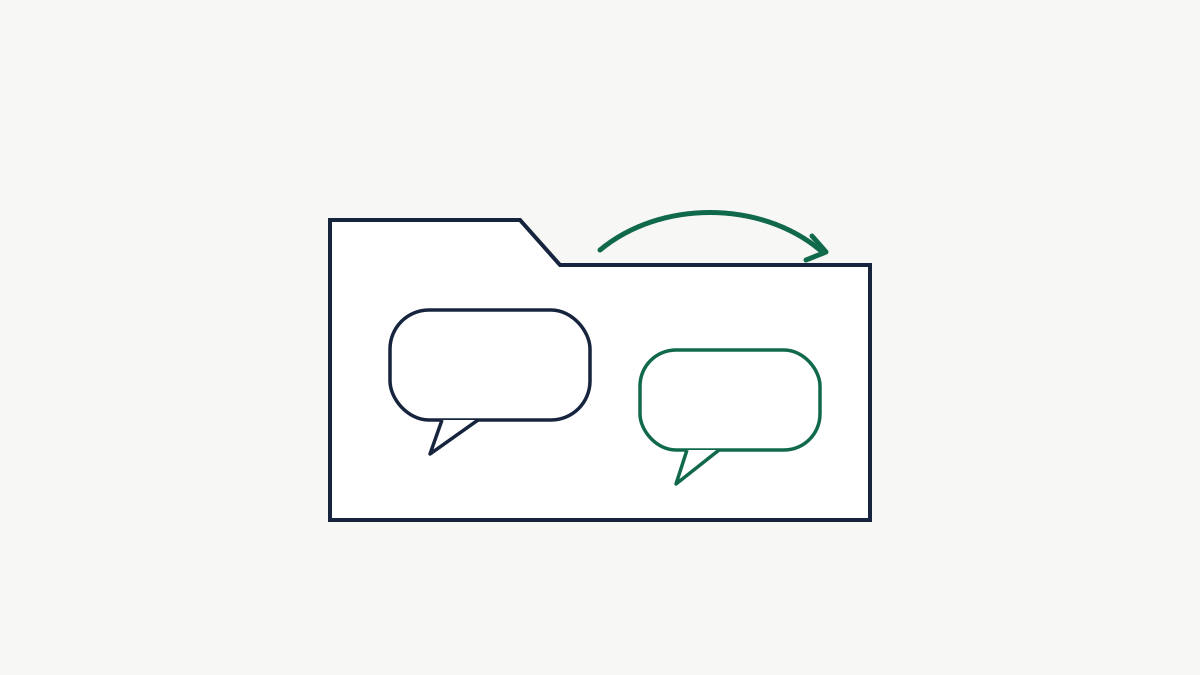
IB internal assessment was built on a conversation. That helps right now
The IB already requires teachers to authenticate student work through discussion. The framework anticipated this problem better than most.
 Academic Integrity
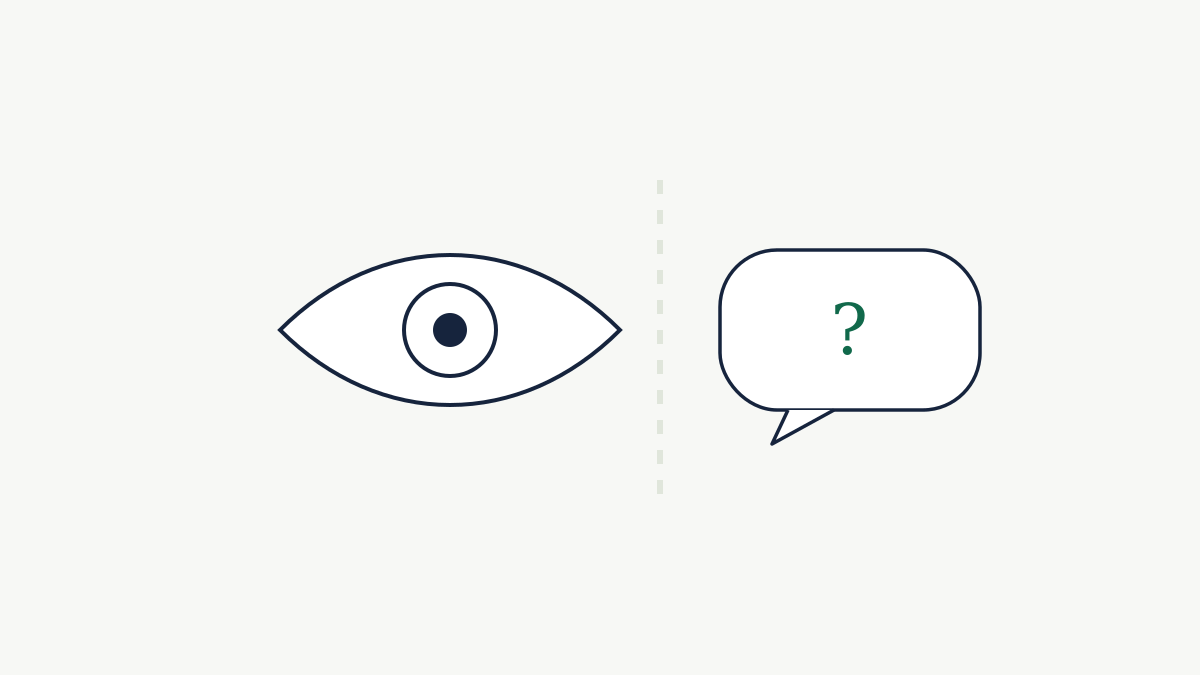
Proctoring watches the student. Verification asks them something
Lockdown browsers and webcam proctoring solve a narrow problem at a high trust cost. There is a cheaper trade available.
 Policy
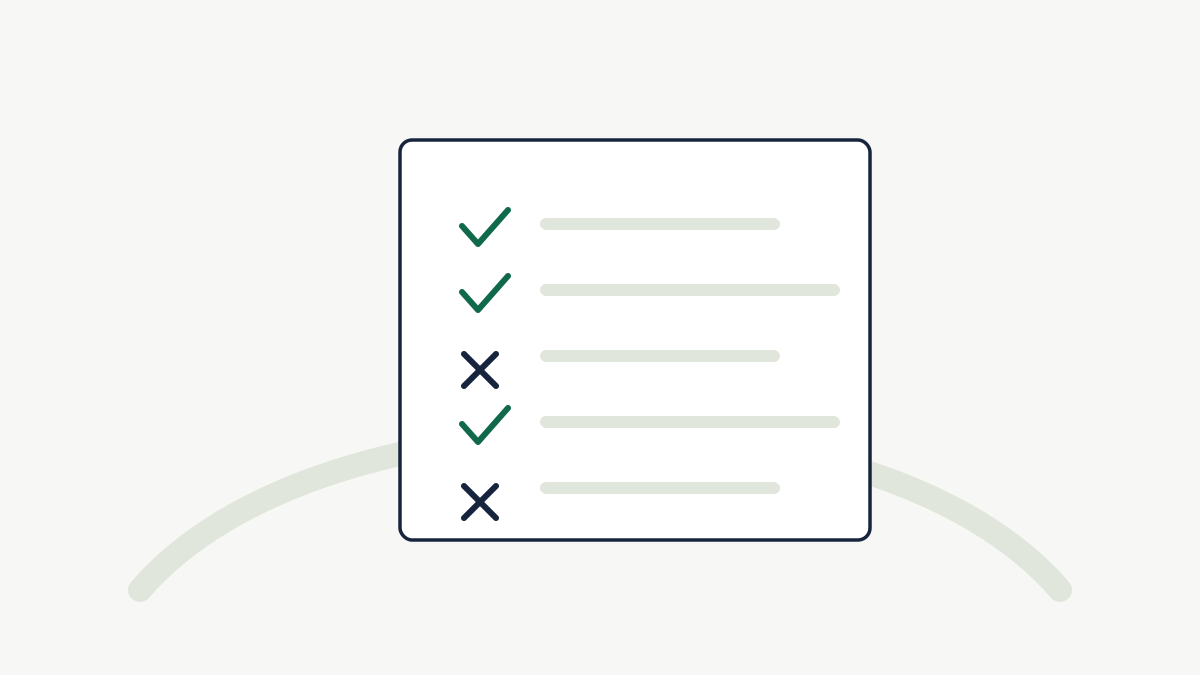
Write an AI policy your students can actually follow
Most syllabus AI policies fail for the same three reasons. Here is what to fix, plus wording you can paste and adapt.
 Practice
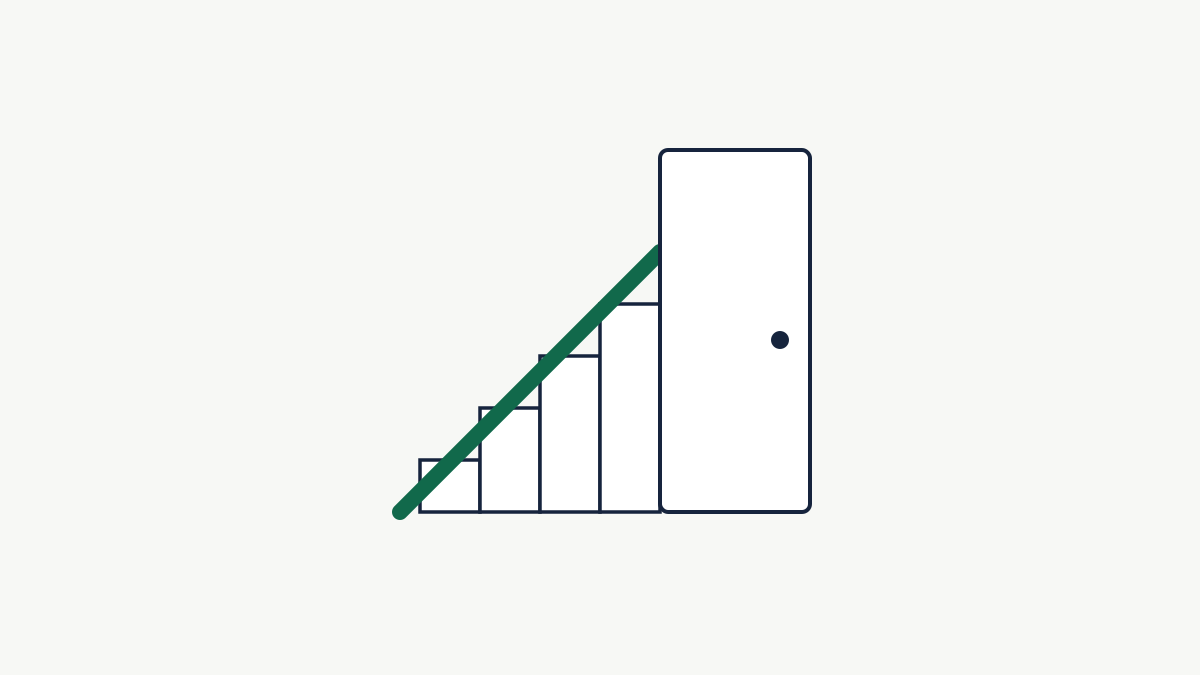
The fairness objection to oral exams deserves a real answer
Anxiety, accents, stammers, processing differences. The objection is legitimate, and most of it is answerable by design rather than by exemption.
 Practice
Problem sets were the first casualty and nobody wrote about it
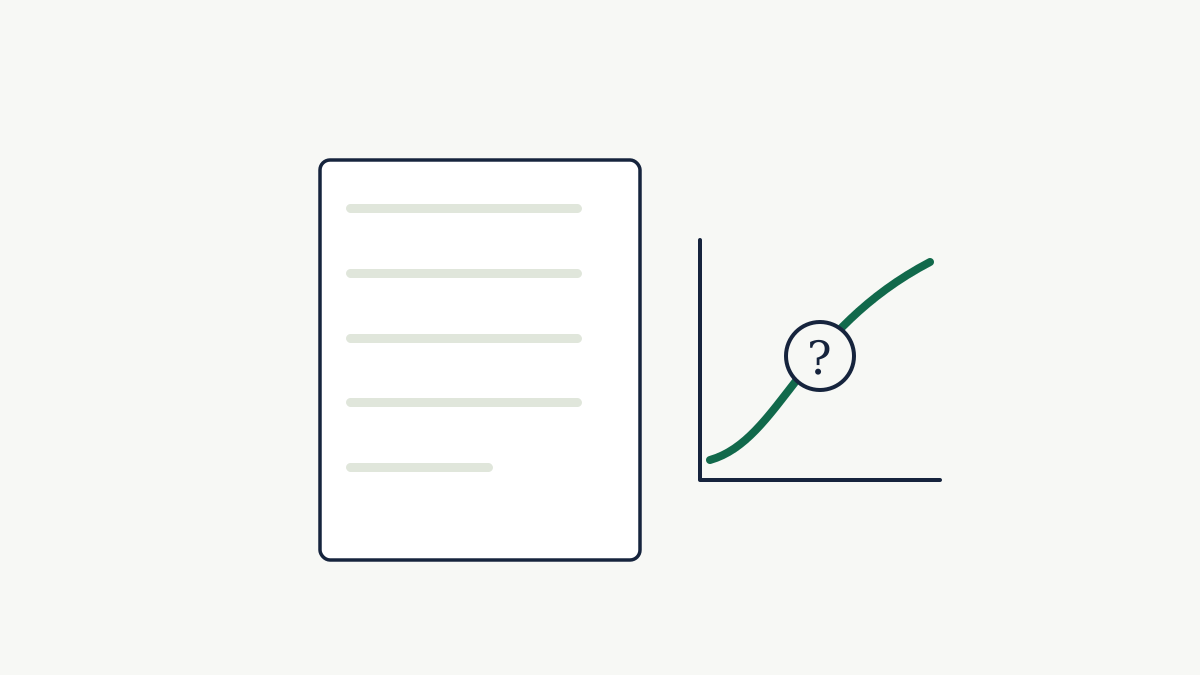
The AI conversation has been dominated by essays. In STEM the problem set went first, and the fix is not a harder problem set.
 Practice
Group projects have always had a free rider problem. AI made it invisible
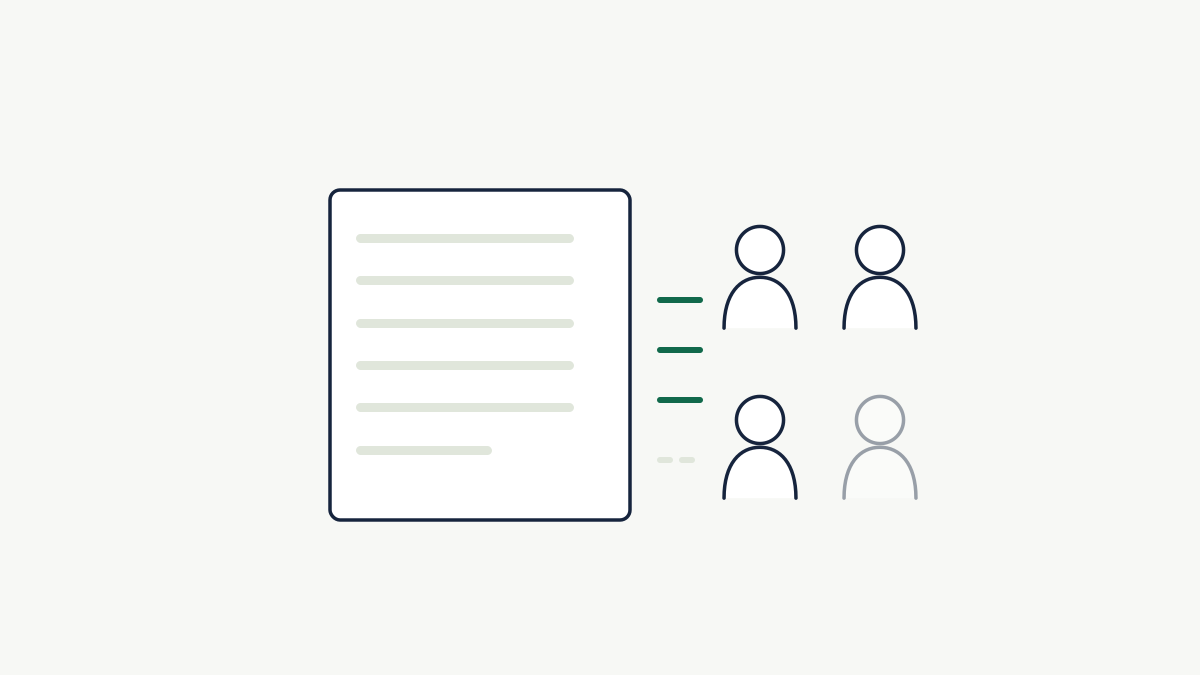
Peer evaluation forms measure social dynamics as much as contribution. There is a more direct question, and it takes about four minutes per student.
 Practice
How to run oral checks in a class of 200 without losing your term
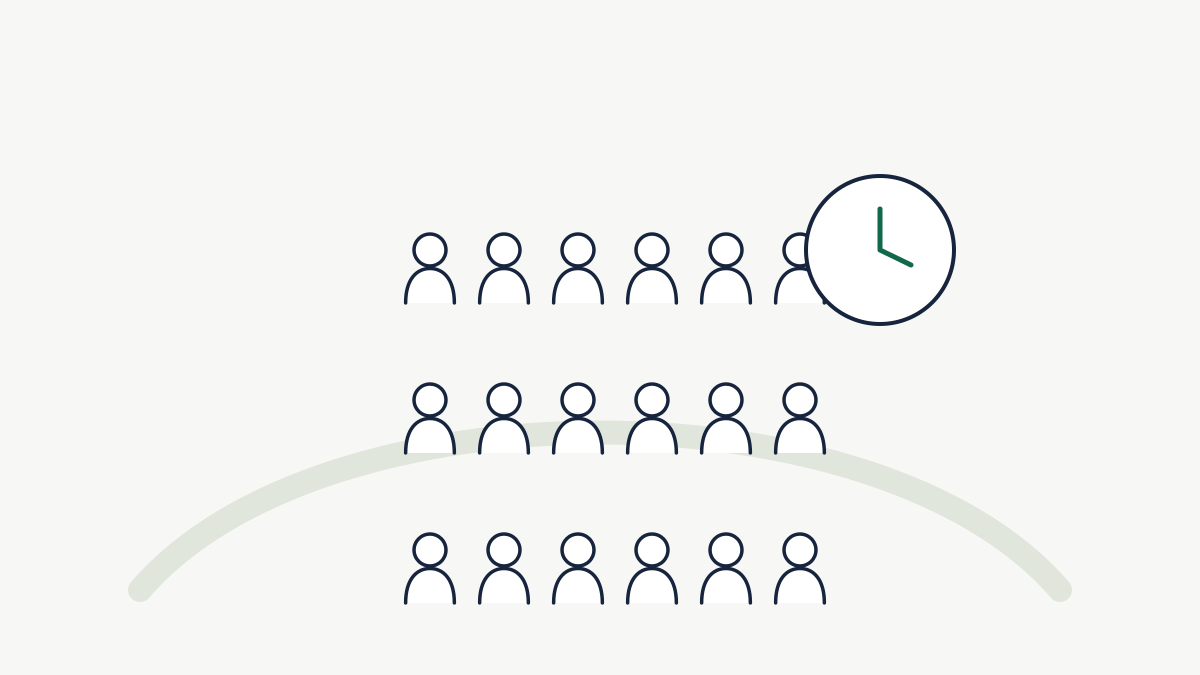
A practical plan for oral assessment at scale: what to check, who to check, how long, and the scheduling mistakes that sink it.
 Practice
Running your first oral check without spooking the class
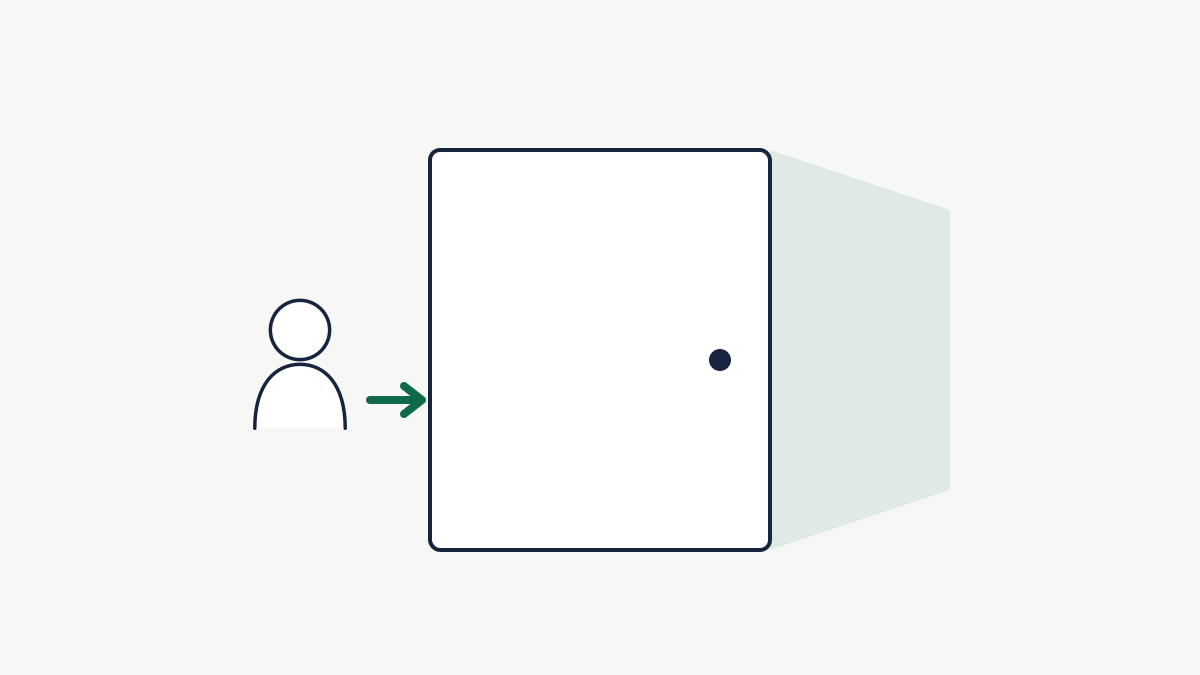
How you introduce it decides how it goes. A practical script for week one, and the three sentences that cause most of the trouble.
 Research
Being asked about your work is not just a test. It is how you learn it
Two decades of retrieval practice research says that pulling knowledge out produces learning, not just measures it. Oral checks sit exactly on that mechanism.
 Practice
A good oral exam question is shorter than you think
Notes from reading a lot of interview transcripts: what separates a question that reveals understanding from one that reveals vocabulary.
 Assessment
In defence of the essay, from people who keep saying it broke
We argue the essay stopped certifying learning. That is not the same as arguing it stopped being worth doing, and the difference matters.
 Assessment
Students are not using AI because they are lazy
The surveys keep saying the same thing about why students hand in generated work, and it is mostly about time, fear and the shape of the assignment.
 Practice
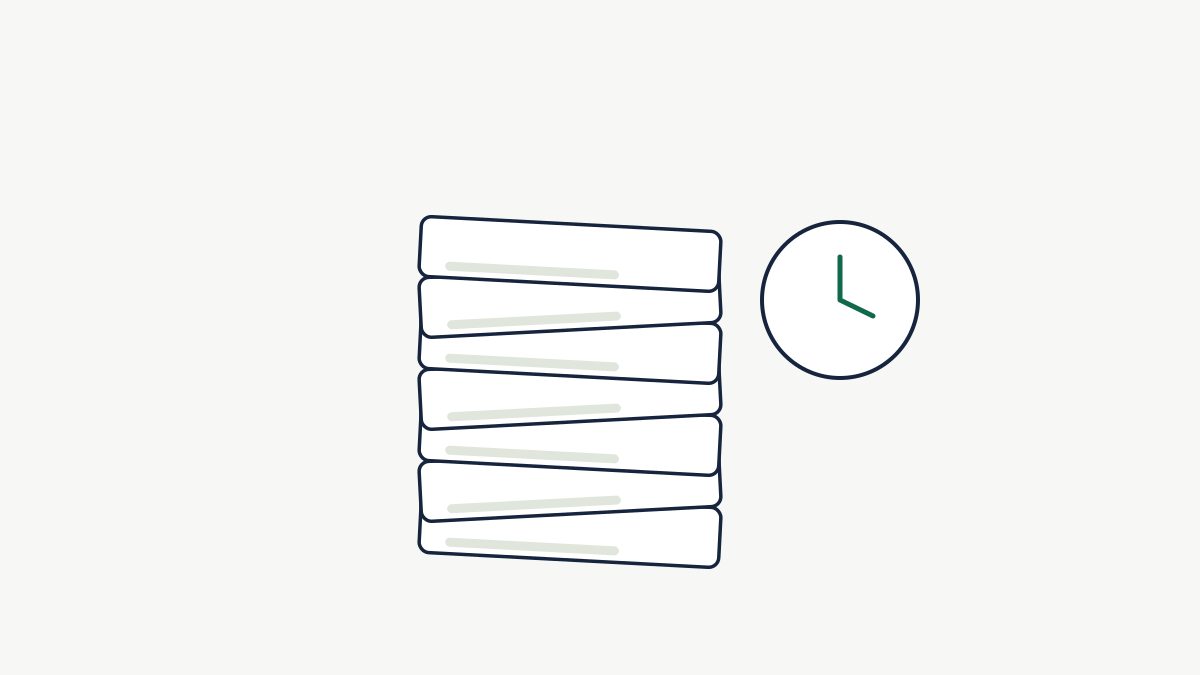
Nobody has time to mark two hundred essays properly, and everybody knows it
The marking load was already unsustainable before generative AI. What changed is that the work being marked stopped carrying the same information.
 Oral Assessment
What a viva voce actually is, and why the format survived
A short, practical definition of the viva voce: where it came from, where it is still required, and what makes one good rather than merely stressful.
학문적 진정성선생님은 ChatGPT를 쓴 걸 어떻게 알아챌까요
탐지기 점수가 아니에요. 실제로 드러나는 신호는 그보다 오래되고 사람다운 것들이고, 대부분 소프트웨어와 무관해요.
연구AI는 모든 학생에게 구술시험을 줄 수 있을까?
구술 평가가 대중 교육을 떠난 건 타당성이 아니라 비용 때문이었어요. 대화형 AI가 그 비용을 움직여요. 저희가 주장하는 것과 주장하지 않는 것, 그리고 검증 계획까지.
구술 평가세상에서 가장 오래된 시험이 돌아오고 있어요
판돈이 가장 큰 곳에서 구술시험은 사라진 적이 없어요. 교실을 떠난 이유는 단 하나였고, 그 이유는 측정을 잘하고 못하고와 무관했어요.
학문적 진정성Turnitin AI의 대안을 찾고 있다면, 질문부터 확인해 보세요
다른 탐지기를 찾는 학교 대부분은 근거의 문제를 확률 도구로 풀려고 하고 있어요. 선택지들이 실제로 어떻게 비교되는지 정리했어요.
학문적 진정성AI 탐지는 에세이를 구하지 못해요
탐지기는 신뢰하기 어렵고, 엉뚱한 학생을 표시하고, 완벽해진다 해도 잘못된 질문에 답해요. 선생님의 질문은 이해에 대한 거예요.
평가에세이는 더 이상 우리가 믿던 것을 증명하지 않아요
두 세기 동안 좋은 에세이는 좋은 사고의 증거였어요. 생성형 AI가 그 연결을 조용히 끊었고, 교육 대부분은 아직 그 의미를 따라잡지 못했어요.
학문적 진정성AI 탐지기가 틀리는 학생은 하필 가장 틀리면 안 되는 학생이에요
오탐은 고르게 분포하지 않아요. 영어가 모국어가 아닌 학생, 자폐 스펙트럼 학생, 문장이 담백한 학생에게 집중돼요. 이건 조정의 문제가 아니라 공정성의 문제예요.
정책학업 부정 청문에서 실제로 버티는 것
위원회는 소프트웨어 업체가 가정하는 방식으로 근거를 저울질하지 않아요. 무엇이 설득하고 무엇이 무너지는지, 그리고 입증 책임이 왜 그 자리에 있는지.
정책IB 내부 평가는 원래 대화 위에 세워졌어요. 지금 그게 도움이 돼요
IB는 이미 교사가 대화를 통해 학생 작업의 진정성을 확인하도록 요구해요. 이 프레임워크는 다른 어떤 것보다 이 문제를 잘 예상했어요.
학문적 진정성감독은 학생을 지켜봐요. 검증은 학생에게 묻고요
락다운 브라우저와 웹캠 감독은 좁은 문제를 높은 신뢰 비용으로 풀어요. 더 싼 교환이 있어요.
정책학생이 실제로 지킬 수 있는 AI 정책 쓰기
강의계획서의 AI 정책 대부분이 같은 세 가지 이유로 실패해요. 무엇을 고쳐야 하는지와 그대로 붙여 쓸 수 있는 문구를 정리했어요.
실무구술시험이 불공정하다는 반론에는 제대로 된 답이 필요해요
불안, 억양, 말더듬, 정보 처리의 차이. 이 반론은 정당하고, 대부분은 면제가 아니라 설계로 답할 수 있어요.
실무가장 먼저 무너진 건 문제 풀이였는데 아무도 그 얘길 안 했어요
AI 논의는 에세이가 지배했어요. 이공계에서는 문제 풀이가 먼저 무너졌고, 해법은 더 어려운 문제 풀이가 아니에요.
실무조별 과제에는 늘 무임승차 문제가 있었어요. AI가 그걸 안 보이게 만들었어요
동료 평가지는 기여만큼이나 인간관계를 재요. 더 직접적인 질문이 있고, 학생당 4분쯤 걸려요.
실무200명 수업에서 학기를 잃지 않고 구술 확인을 운영하는 법
규모가 큰 수업에서 구술 평가를 운영하는 실용적인 계획이에요. 무엇을 확인하고 누구를 확인하며 얼마나 걸리는지, 그리고 이걸 무너뜨리는 일정 실수까지.
실무학급을 겁주지 않고 첫 구술 확인을 진행하기
어떻게 소개하느냐가 결과를 결정해요. 1주 차를 위한 실용적인 대본과, 문제 대부분을 일으키는 세 문장이에요.
연구자기 작업에 대해 질문받는 건 시험만이 아니에요. 그게 배우는 방식이에요
20년의 인출 연습 연구는 지식을 꺼내는 행위가 학습을 측정할 뿐 아니라 만들어 낸다고 말해요. 구술 확인은 정확히 그 지점에 있어요.
실무좋은 구술시험 질문은 생각보다 짧아요
인터뷰 전사를 많이 읽으며 얻은 메모예요. 이해를 드러내는 질문과 어휘를 드러내는 질문은 무엇이 다를까요.
평가에세이가 무너졌다고 계속 말하는 사람들이 쓰는 에세이 옹호론
저희는 에세이가 학습을 보증하지 못하게 되었다고 말해요. 그건 에세이가 할 가치를 잃었다는 말과 다르고, 그 차이가 중요해요.
평가학생들이 AI를 쓰는 건 게을러서가 아니에요
학생들이 왜 생성된 결과물을 제출하는지에 대해 설문은 계속 같은 이야기를 해요. 대부분 시간, 두려움, 그리고 과제의 형태에 대한 이야기예요.
실무에세이 200편을 제대로 볼 시간은 아무에게도 없고, 모두 그걸 알고 있어요
채점 부담은 생성형 AI 이전에도 이미 지속 가능하지 않았어요. 달라진 건, 채점 대상이 예전과 같은 정보를 담지 않게 되었다는 점이에요.
구술 평가구술시험이란 정확히 무엇이고, 왜 살아남았을까요
구술시험에 대한 짧고 실용적인 정의예요. 어디에서 왔고, 지금도 어디에서 필수이며, 무엇이 좋은 구술시험을 만드는지 정리했어요.